





At a glance
Key points for your project
- Define the production lot, approved references and inspection methods before booking a review.
- Separate visible packaging checks from formula testing and destination-market documentation.
- Record deviations, corrective actions and the person authorized to release the shipment.
1. Establish the reference for the production order
Start with a controlled set of references: purchase order, product specification, approved sample, formula or product code, artwork version and packing list. Identify the items that must match and the tolerances agreed for measurable characteristics. If the specification still says “similar to sample,” ask which characteristics that phrase covers.
Keep the approved reference accessible to the person inspecting the goods. For a range with different flavors, pack counts or languages, make a separate line for each configuration. Use the sample approval guide to close open decisions before treating a sample as the production reference.
2. Define the lot and the sampling approach
Record the product, variant, batch identifiers, quantity and cartons included in the inspection. Ask how units will be selected across the available goods, whether the order is complete and what portion is packed. Agree the sampling approach, defect definitions and acceptance decisions before the inspection takes place.
ISO describes ISO 2859-1 as a system of sampling plans for inspection by attributes. If an inspection provider proposes using it, ask which edition, plan, inspection level and acceptance criteria will be used. A reference to “AQL inspection” alone leaves those decisions open. Sampling results describe the inspected lot under the agreed plan; they do not document a check of every unit.
3. Prepare product-specific checks
Adapt the following worksheet to the selected product. Add the agreed method, equipment where needed, sample quantity, acceptance criteria and the record required. These are planning prompts, rather than a complete test protocol for every oral care format.
| Check area | What to define and record |
|---|---|
| Identity and quantity | Product code, variant, batch reference, retail pack count and carton totals. |
| Retail packaging | Approved artwork, readable text, print placement, assembly and visible condition. |
| Container and closure | Agreed fill checks, closure fit, seal condition and leakage test method. |
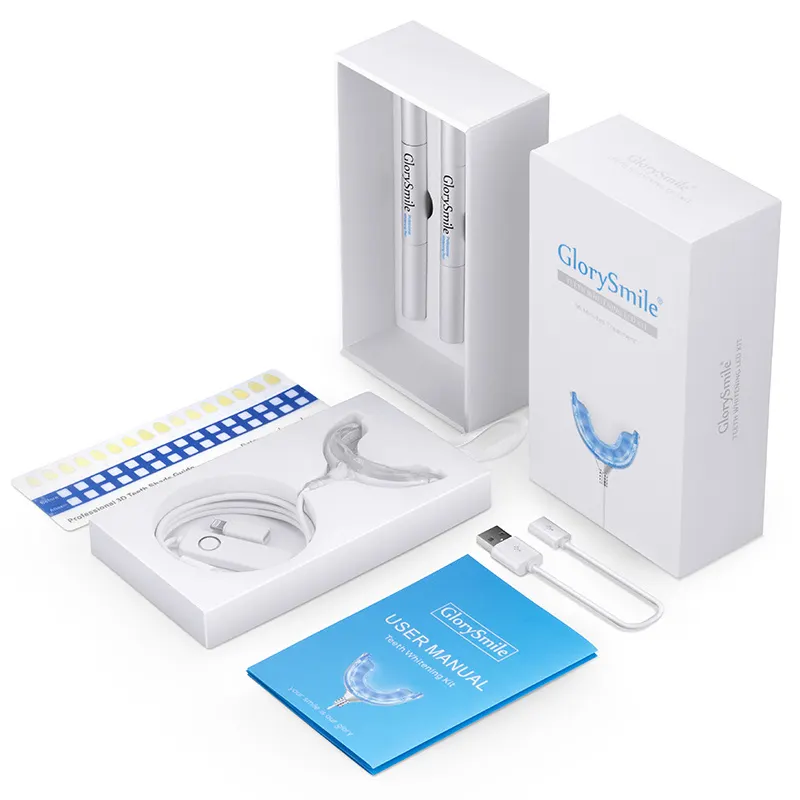
| Kit assembly | Component list, model references, accessories and agreed operation checks. |
| Traceability | Required batch markings and the records linking them to the production lot. |
| Shipping preparation | Carton configuration, protection, shipping marks and destination receiving requirements. |
4. Match the review to the format
For whitening strips, verify the agreed count of pouches per box and the identification of each variant. Distinguish a sealed-pouch appearance check from any destructive check that opens the product. Confirm how inspected or opened units are recorded and handled.
For toothpaste and mouthwash, define the container, fill measurement method and closure checks for the selected format. For a whitening kit, reconcile the actual contents against the bill of materials and identify which operation checks are authorized. The kit sourcing checklist helps establish those references. Avoid adding an improvised test at the last moment without agreeing how its result will be assessed.
5. Separate inspection observations from supporting records
A visual inspection can record visible condition, counted components and printed information. Formula identity, microbiological characteristics, stability or a marketing claim require their own appropriate evidence and methods. Ask which production or test records will accompany the lot, which items refer to a separate product assessment and which remain outstanding.
For a US, EU or UK launch, maintain the destination review as a separate workstream. An inspection report should state what it covers. Do not use a clean packaging inspection to conclude that all ingredient, labeling or market-access questions have been resolved.
6. Agree what happens when a check fails
Define who receives the report, who evaluates a deviation and who can authorize corrective action or shipment release. Record the affected quantity, product reference, observation and supporting images. Ask the supplier to propose an action and identify the goods it covers.
After rework or sorting, agree whether a further inspection is needed and what reference it will use. Keep the original report and the follow-up together. If an item is accepted with a documented exception, state exactly what was accepted; do not silently replace the original specification. Connect changes to the production and delivery schedule so logistics arrangements reflect the actual release decision.
7. Close the loop at receiving and on the next order
Before dispatch, reconcile the release record with the final packing list and the actual shipment configuration. Give the receiving team the product codes, expected quantities and contacts for reporting discrepancies. Ask them to record delivery damage separately from observations already documented before shipment.
For a reorder, review previous deviations and any approved changes instead of copying the old checklist unchanged. Confirm that artwork, components and specifications still match the current order. This creates a purchasing record the next reviewer can follow, without relying on memory or a collection of unlabelled sample photographs.
Your inspection planning checklist
- The inspection lot and current product, sample and artwork references are identified.
- Sampling, defect definitions, methods and acceptance criteria are agreed.
- Product-specific checks and supporting records are listed separately.
- Deviations, rework and any further review have assigned decision-makers.
- The shipment release record matches the final packing list and order.
Buyer questions
Does a pre-shipment inspection prove every unit is defect-free?
A report should identify its scope and sampling method. A sample-based inspection records results from selected units; it should not be described as a check of every unit.
Can a packaging inspection verify the formula?
A visual packaging check cannot establish the formulation or all product characteristics. Identify the separate formula references, production records and appropriate evaluations needed for your product.
Should the buyer or supplier arrange the inspection?
Agree who arranges it, who performs it, who pays and who receives the complete report. Also assign authority for corrective actions and the shipment release decision.
Sources & further reading
For the scope of sampling inspection by attributes:
Your next step
Make inspection part of your product brief.
Send your product configuration and the checks your purchasing team needs to agree. We can discuss the production references, sample details and records for your project.
Start your inquiry