At a glance
What to check before you choose
- Compare suppliers against the same product brief.
- Match documents to the named company and selected product.
- Separate sample preparation, shipping and bulk production timing.
- Approve a documented sample version before ordering.
1. Start with your product and target market
Name the product format, destination country, sales channel and intended customer. A whitening strip, toothpaste and complete whitening kit need different specifications. For a kit, list its components; for a single product, identify the pack size and application format.
Share what is already decided and what you need help developing. A focused brief gives suppliers a common starting point, so differences in their replies are easier to assess. You can explore product formats before narrowing the range.
2. Define what OEM customization means for your order
Ask which parts of the proposed product can change: formula, flavor, texture, color, applicator, kit contents, logo or retail packaging. Identify which options use an existing format and which need development, tooling or new packaging.
Then ask how each change affects sample preparation, order quantity, cost and production timing. Put the agreed scope in writing. A custom printed box and a newly developed formula represent different projects, even when both are described as private label.
3. Connect factory evidence to your product
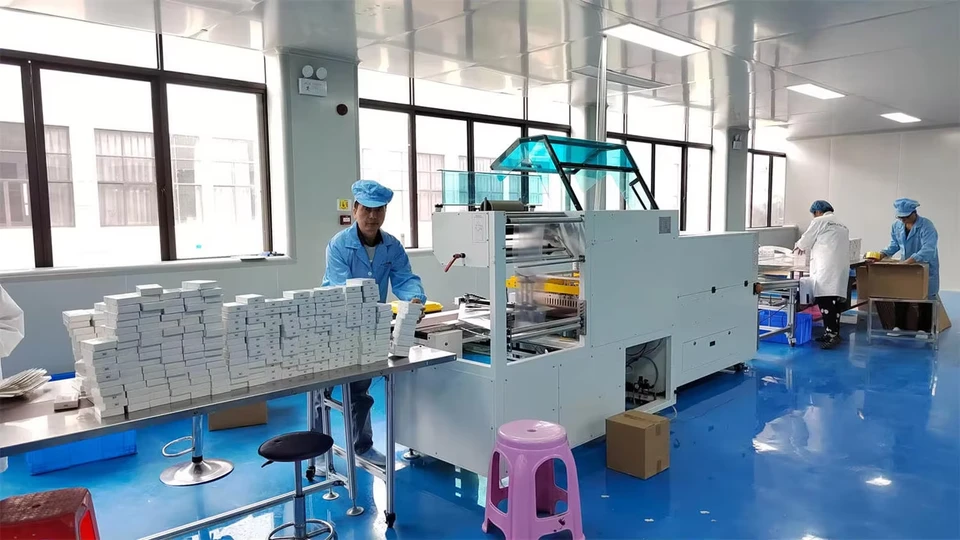
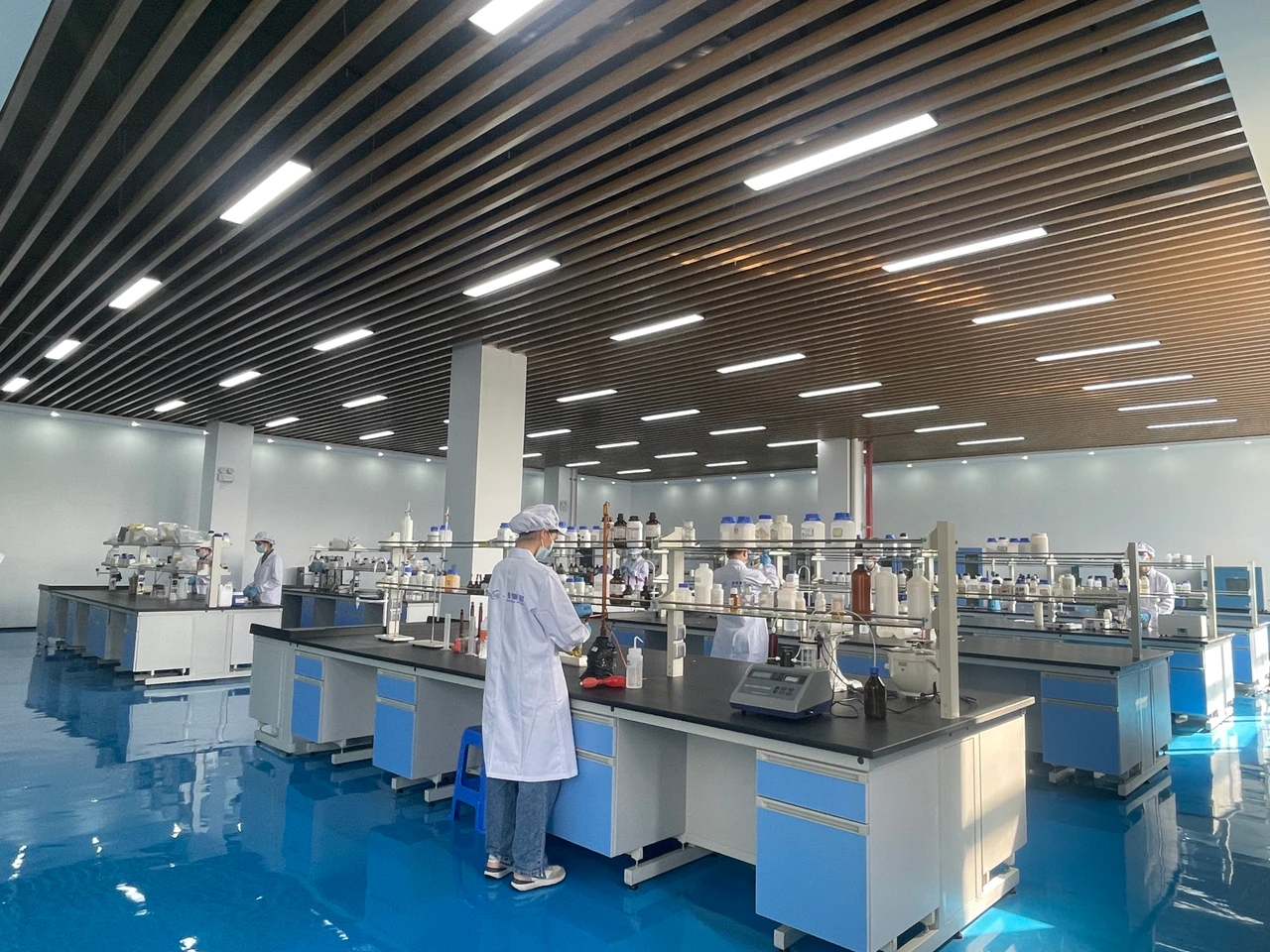
Ask how your product moves through formulation, production, filling or cutting, printing, inspection and packing. Establish which steps the supplier performs and which involve other partners. Request current process information or relevant factory images for those steps.
Capacity figures also need context. Ask how the quoted schedule relates to your format, packaging, quantity and current production plan. Daily output figures alone cannot tell you when your specific order will be ready.
4. Review document scope before relying on a logo
Request readable, complete copies of the documents proposed for your product and market. Check the named company, site, product or model, scope, issuer, dates and any referenced attachments. If the name differs from the quotation, ask the supplier to explain the relationship.
Different records answer different questions. ISO describes ISO 13485 as a quality management system standard for organizations working with medical devices and related services. Where relevant, review the management-system scope alongside the documentation for the selected product.
Use the issuer’s verification route where available. IAF CertSearch’s guide explains certificate-number searches and status checks. An unavailable search result needs follow-up; the guide identifies several possible reasons why a record may not appear.
5. Clarify MOQ, sample terms and the full quotation
Ask whether the minimum order quantity applies per product, formula, flavor, color or packaging design, and whether mixed configurations are possible. Request a quotation for the same specification and quantity from each shortlisted supplier.
Ask what the price includes: product, printing, packaging, tooling, testing, packing and delivery arrangements. Keep sample cost and sample shipping separate. Confirm the sample preparation period, estimated transit time and bulk production lead time individually, including the event that starts each schedule. Record payment terms and how specification changes affect the quotation.
6. Make sample approval a recorded decision
Review the actual configuration you intend to order. Record the sample reference, date, formula or product version, fill quantity, included components, packaging and artwork version. Check practical details such as closure fit, printed information, assembly and the contents supplied with the product.
Write down accepted items and questions that remain open. Agree which sample and specification form the basis of production, and how changes will be approved. Keep that reference for your pre-shipment review.
7. Look for clear answers and version control
Use the first exchange to assess how the supplier handles your questions. Look for direct answers, identified gaps and a clear next action. Keep one specification version and a written decision log for formula, artwork, quantity and schedule changes. A useful reply should make the next decision easier to take.
Compare your shortlist on one page
Use the same questions for each supplier and leave unresolved items visible.
| Compare | Request or confirm |
|---|---|
| Product fit | Exact format, pack size and included components. |
| Customization | Available changes and development requirements. |
| Production | Relevant processes and order-specific schedule. |
| Documents | Named company, product scope, dates and complete copies. |
| Commercial terms | MOQ basis, included costs, payment and delivery terms. |
| Sample approval | Preparation, shipping, review criteria and approved version. |
| Communication | Open questions, next actions and change records. |
Send a brief the supplier can act on
Copy this starting structure into your inquiry. Mark undecided items as “please advise.”
Product: [format or product link]
Target market: [country and sales channel]
Quantity: [estimated order and variants]
Customization: [formula, logo, packaging or kit contents]
Sample: [configuration and destination]
Timing: [desired launch window]
Please confirm: MOQ basis, quotation inclusions, sample preparation, bulk schedule and relevant product documents.
Working with AlvoSmile
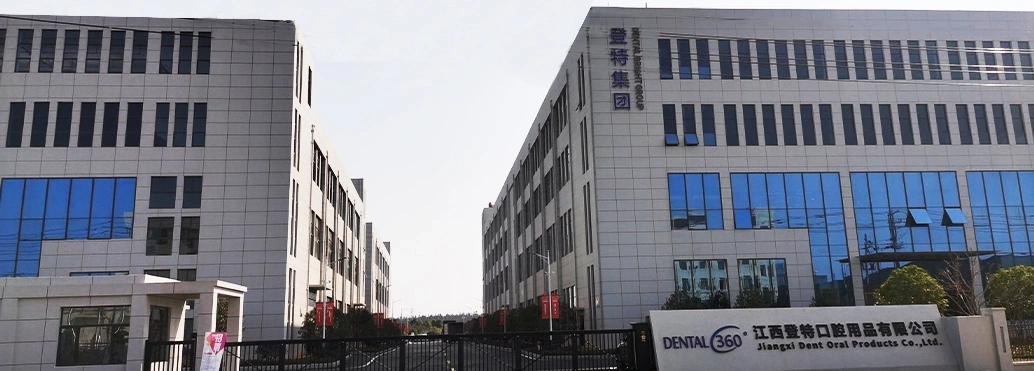
AlvoSmile is a brand of Jiangxi Dentalbright Technology Co., Ltd, an oral care manufacturer in Jiangxi, China. Our team supports formula, logo and packaging customization.
We offer free sample preparation in 7 working days and a bulk MOQ of 1,000 pcs. Share your configuration so we can confirm the order details, shipping arrangements and production schedule. Our team replies within 2 hours during working hours. Learn about our manufacturing or discuss a sample.
Your shortlist checklist
- One product brief shared with every shortlisted supplier.
- Customization scope and manufacturing steps clarified.
- Complete documents reviewed for the relevant company and product.
- MOQ basis, quotation inclusions and schedules confirmed.
- Sample reference and approval criteria recorded.
- Open questions assigned a next action.
Buyer questions
How can I compare quotations fairly?
Use the same product specification, quantity, packaging and delivery requirements. Ask each supplier to identify included costs and items priced separately.
Does sample preparation time include shipping?
Confirm both separately. AlvoSmile’s 7-working-day period refers to sample preparation; sample shipping arrangements and bulk production timing are discussed for your project.
Can I send an inquiry before my specification is complete?
Yes. Share the decisions you have made, the product or market you are considering and the points where you need advice.
Sources & further reading
For quality-system scope and certificate verification:
Your next step
Ready to discuss your shortlist?
Send your product, market, estimated quantity and customization ideas. We can help define a sample and the next steps for your project.
Start your inquiry